Improving Care for Veterans and Military-Connected Patients: A Matter of National Security
October 24, 2024
2:00 PM - 3:00 PM (ET)
Webinar Details
Identifying veterans and military-connected families in healthcare settings is crucial for their well-being. By recognizing veterans and military family members and understanding their unique lifestyle and health challenges, providers can offer more effective, culturally competent care. This webinar will introduce practical tools for nurses and NP/APNs to address the comprehensive healthcare needs of veterans and military families.
This webinar aims to equip nurses and healthcare providers with tools to identify and effectively care for veterans and military-connected patients. It will introduce the "Have You Ever Served" series of pocketcards, designed to guide nurses and NPs and advanced practice nurses (NP/APNs) in providing culturally competent care to veterans and entire military families.
Outcomes:
- Describe the importance of identifying veterans and military-connected patients health needs.
- Introducing tools for culturally competent care.
- Addressing the unique health challenges faced by veterans and military families.
- Emphasizing the need for comprehensive, family-centered care approaches.
Note: Recording of the webinar will be available soon after the webinar airs. Visit AACN's On-Demand Webinars to watch.
Speakers
Speakers
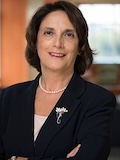
Rita F. D’AOust, PhD
Associate Professor; Director, DNP/PhD Program
Johns Hopkins University School of Nursing
Dr. Rita F. D'Aoust is an Associate Professor at the Johns Hopkins University School of Nursing and Director of the dual DNP/PhD program, with a joint appointment in the School of Medicine's Department of General Internal Medicine. As a military spouse and family member, Dr. D'Aoust has experienced military life from the sidelines. As a nurse practitioner, she has cared for veterans in community settings. These experiences have informed her significant contributions to educating nurses in veteran care. Dr. D'Aoust co-authored "Caring for Veterans and Their Families: A Guide for Nurses and Healthcare Professionals." She co-directed the Veterans Affairs Nursing Academy (VANA) and subsequent Veterans Affairs Nursing Academic Partnerships (VANAP) at the James A. Haley Veterans Hospital and University of South Florida. She is a member of the American Association of Nursing, Military/Veteran Expert Panel. Her innovative work includes developing the Veteran to Bachelor of Science Program, which recognizes prior learning through American Council of Education (ACE) transcript evaluation for military medics and corpsmen. She also created an online course, "Introduction to Military and Veteran Healthcare." Dr. D'Aoust's research focuses on the impact of military service on veteran health. She has studied novel therapies like Accelerated Resolution Therapy (ART) for treating PTSD in homeless veterans and those with Military Sexual Trauma. She has also researched fibromyalgia symptomology in community-dwelling women veterans. As a mentor, Dr. D'Aoust has guided numerous doctoral students on veteran policy issues, nurse practitioner roles in veteran care, and quality improvement initiatives in VA settings. Her contributions have been recognized with the Jonas Faculty Mentor Award and the Jonas Nursing and Veterans Healthcare Distinguished Faculty Award in 2021.
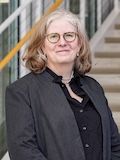
Catherine G. Ling, PhD
Associate Professor
Johns Hopkins University School of Nursing
Dr. Catherine Ling is a nurse scientist, practicing Family Nurse Practitioner (FNP), and certified nurse educator focusing on improving access to quality, primary care. She works to improve culturally competent care for military families and is actively involved in community focused interventions to improve wellness at a local and global level. She is also creating innovative, engaging strategies to prepare DNP students for advanced practice. She received her BSN from the University of Tennessee Knoxville, her MN from Emory University and her PhD from the Medical University of South Carolina. Dr. Ling is a Fellow in the American Association of Nurse Practitioners and the American Academy of Nursing. She is currently an Associate Professor and inaugural CNO of Service within the COMPASS Center at the Johns Hopkins University School of Nursing.

Alicia Gill Rossiter, DNP
Associate Professor
University of South Florida
Dr. Alicia Gill Rossiter is an Associate Professor at the University of South Florida College of Nursing and serves as Chief Officer of Military and Veteran Affairs and Director of the V-CARE Veteran to BSN Pathway. She is a Family Nurse Practitioner board certified in Pediatric Primary Care. Dr. Rossiter served in the U.S. Army Nurse Corps on active duty for four years which included two deployments - a combat deployment to Saudi Arabia during Operation Desert Shield/Desert Storm and a humanitarian mission to Honduras, Central America. She transferred into the U.S. Air Force Reserve in 1995 and served as an Individual Mobilization Augmentee until retiring in 2015. Her military experience is the impetus behind her research which includes women veterans and military sexual trauma, effects of parental military service on military-connected children, and transitioning needs of medics and corpsmen into the professional role of nursing. During her doctoral program, she was selected as a Bob Woodruff Jonas Veteran Healthcare Scholar. She was a member of the inaugural cohort of AAN Jonas Policy Scholars with the Military/Veteran Health Expert Panel. She was inducted as a Fellow in the American Association of Nurse Practitioners in 2014 and in the American Academy of Nursing in 2018 where she served as the Co-Chair and Chair of the Military/Veteran Health Expert Panel from 2018-2022. She recently co-authored her first book,?Caring for Veterans and their Families: A Guide for Nurses and other Healthcare Professionals.
Tags
Improving Care for Veterans and Military-Connected Patients: A Matter of National Security
October 24, 2024
2:00 PM - 3:00 PM (ET)
Webinar Details
Identifying veterans and military-connected families in healthcare settings is crucial for their well-being. By recognizing veterans and military family members and understanding their unique lifestyle and health challenges, providers can offer more effective, culturally competent care. This webinar will introduce practical tools for nurses and NP/APNs to address the comprehensive healthcare needs of veterans and military families.
This webinar aims to equip nurses and healthcare providers with tools to identify and effectively care for veterans and military-connected patients. It will introduce the "Have You Ever Served" series of pocketcards, designed to guide nurses and NPs and advanced practice nurses (NP/APNs) in providing culturally competent care to veterans and entire military families.
Outcomes:
- Describe the importance of identifying veterans and military-connected patients health needs.
- Introducing tools for culturally competent care.
- Addressing the unique health challenges faced by veterans and military families.
- Emphasizing the need for comprehensive, family-centered care approaches.
Note: Recording of the webinar will be available soon after the webinar airs. Visit AACN's On-Demand Webinars to watch.
Speakers
Speakers
Rita F. D’AOust, PhD
Associate Professor; Director, DNP/PhD Program
Johns Hopkins University School of Nursing
Dr. Rita F. D'Aoust is an Associate Professor at the Johns Hopkins University School of Nursing and Director of the dual DNP/PhD program, with a joint appointment in the School of Medicine's Department of General Internal Medicine. As a military spouse and family member, Dr. D'Aoust has experienced military life from the sidelines. As a nurse practitioner, she has cared for veterans in community settings. These experiences have informed her significant contributions to educating nurses in veteran care. Dr. D'Aoust co-authored "Caring for Veterans and Their Families: A Guide for Nurses and Healthcare Professionals." She co-directed the Veterans Affairs Nursing Academy (VANA) and subsequent Veterans Affairs Nursing Academic Partnerships (VANAP) at the James A. Haley Veterans Hospital and University of South Florida. She is a member of the American Association of Nursing, Military/Veteran Expert Panel. Her innovative work includes developing the Veteran to Bachelor of Science Program, which recognizes prior learning through American Council of Education (ACE) transcript evaluation for military medics and corpsmen. She also created an online course, "Introduction to Military and Veteran Healthcare." Dr. D'Aoust's research focuses on the impact of military service on veteran health. She has studied novel therapies like Accelerated Resolution Therapy (ART) for treating PTSD in homeless veterans and those with Military Sexual Trauma. She has also researched fibromyalgia symptomology in community-dwelling women veterans. As a mentor, Dr. D'Aoust has guided numerous doctoral students on veteran policy issues, nurse practitioner roles in veteran care, and quality improvement initiatives in VA settings. Her contributions have been recognized with the Jonas Faculty Mentor Award and the Jonas Nursing and Veterans Healthcare Distinguished Faculty Award in 2021.

Catherine G. Ling, PhD
Associate Professor
Johns Hopkins University School of Nursing
Dr. Catherine Ling is a nurse scientist, practicing Family Nurse Practitioner (FNP), and certified nurse educator focusing on improving access to quality, primary care. She works to improve culturally competent care for military families and is actively involved in community focused interventions to improve wellness at a local and global level. She is also creating innovative, engaging strategies to prepare DNP students for advanced practice. She received her BSN from the University of Tennessee Knoxville, her MN from Emory University and her PhD from the Medical University of South Carolina. Dr. Ling is a Fellow in the American Association of Nurse Practitioners and the American Academy of Nursing. She is currently an Associate Professor and inaugural CNO of Service within the COMPASS Center at the Johns Hopkins University School of Nursing.
Alicia Gill Rossiter, DNP
Associate Professor
University of South Florida
Dr. Alicia Gill Rossiter is an Associate Professor at the University of South Florida College of Nursing and serves as Chief Officer of Military and Veteran Affairs and Director of the V-CARE Veteran to BSN Pathway. She is a Family Nurse Practitioner board certified in Pediatric Primary Care. Dr. Rossiter served in the U.S. Army Nurse Corps on active duty for four years which included two deployments - a combat deployment to Saudi Arabia during Operation Desert Shield/Desert Storm and a humanitarian mission to Honduras, Central America. She transferred into the U.S. Air Force Reserve in 1995 and served as an Individual Mobilization Augmentee until retiring in 2015. Her military experience is the impetus behind her research which includes women veterans and military sexual trauma, effects of parental military service on military-connected children, and transitioning needs of medics and corpsmen into the professional role of nursing. During her doctoral program, she was selected as a Bob Woodruff Jonas Veteran Healthcare Scholar. She was a member of the inaugural cohort of AAN Jonas Policy Scholars with the Military/Veteran Health Expert Panel. She was inducted as a Fellow in the American Association of Nurse Practitioners in 2014 and in the American Academy of Nursing in 2018 where she served as the Co-Chair and Chair of the Military/Veteran Health Expert Panel from 2018-2022. She recently co-authored her first book,?Caring for Veterans and their Families: A Guide for Nurses and other Healthcare Professionals.
Tags
Improving Communication and Care of Patients with Autism in Healthcare Settings
January 24, 2024
2:00 PM - 3:00 PM (ET)
Hosted by the Faculty Leadership Network
Webinar Details
Autism diagnosis rates and associated co-morbidities continue to rise. Yet, many who work in the healthcare field have limited understanding of the autism spectrum and how autism manifests. Hear from experts who will provide the latest evidence and information on supportive interventions to better care for both the patients and families living with autism.
Objectives:
- Learn to recognize autism characteristics and the common challenges associated with autism in the healthcare setting
- Increase understanding of how to effectively manage environments of patients and families living with autism and identify strategies to reduce risk of behavioral challenges.
- Gain knowledge to enhance communication about autism to improve outcomes for patients and families.
- Expand awareness of healthcare avoidance by patients and families living with autism.
Note: Recording of the webinar will be available soon after the webinar airs. Visit AACN's On-Demand Webinars to watch.
Speakers
Speakers

Sharon L. Colley, PhD, DNP, RN, ACAC, CNE
Professor
Ferris State University School of Nursing
Dr. Sharon Colley has been a nurse for 34 years, working for many years in mental health as well as med-surg, rehab, and ambulatory care prior to moving into a faculty position in 2006. She earned a PhD in higher ed leadership and a DNP in nursing leadership. Dr. Colley has a passion for education and preparing nurses to be educators. She has earned certification as a nurse educator, as an advanced autism specialist, and as a neurodiversity professional. She has also earned several awards for her teaching, including the Ferris State University Distinguished Teacher Award in 2016.
Sharon’s interest in providing information sessions for healthcare professionals stems in part from her own experiences as the parent of a child with autism as well as her DNP project work that focused on improving healthcare environments for those with autism.
Tags
Addressing Disability Accommodations and Inclusion through a DEI Lens
September 28, 2023
2:00 PM - 3:00 PM (ET)
Webinar Details
This webinar addresses the inclusion of disability as a DEI imperative and briefly covers the process for determining reasonable accommodation, common accommodations in nursing education and training, and outlines the faculty role in the process of determining and implementing accommodation.
This webinar is hosted by Josiah Macy Jr. Foundation, Docs with Disabilities Initiative, American Association of Colleges of Nursing, and Johns Hopkins University Disability Health Research Center as is part of a three-part series focused on exploring barriers to inclusion for nurses with disabilities.
Below, you will find the recording for each installment in the series as well as additional resources.
Word Document Outline including Alt Text
Additional Resources:
- Resource Toolkit
- Clinical Accomodations and Simulation (Christopher J. Moreland, Maureen Fausone, James Cooke, Christopher McCulloh, Maureen Hillie r, Grace C. Clifford, and Lisa M. Meeks)
- White Paper on Inclusion of Students with Disabilities in Nursing Educational Programs for the California Committee on Employment of People with Disabilities (CCEPD) (Beth Marks, Sarah Ailey)
- Technical Standards (Michael M. McKee, Steven Gay, Sarah Ailey, and Lisa M. Meeks)
Speakers
Speakers
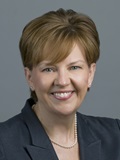
Holly J. Humphrey, MD, MACP
President
Josiah Macy Jr. Foundation
Holly J. Humphrey, MD, MACP, is the eighth president of Josiah Macy Jr. Foundation. Immediately prior to her appointment, she served for 15 years as the Ralph W. Gerard Professor in Medicine and Dean for Medical Education at The University of Chicago.
In 1989, Dr. Humphrey and a colleague delivered the country’s first White Coat Ceremony address at The University of Chicago. The Gold Foundation later adopted and formalized this ceremony and today supports similar events in medical and nursing schools across the country. During her tenure as Dean for Medical Education, her signature programs focused on equity, diversity and inclusion, mentoring, and professionalism. She led efforts to increase diversity and belonging by developing pathway programs and co-founding the Bowman Society, which explores issues of health disparity and provides mentoring for those underrepresented in medicine. She was the founding dean of the school’s Identity and Inclusion Committee, which advances civil discourse in the medical school. She is also the founding dean of the Academy of Distinguished Medical Educators and of the MERITS Fellowship program for faculty pursuing research, innovation, teaching, and scholarship in medical education.
She is Chair of the Kaiser Permanente Bernard J. Tyson School of Medicine’s Board of Directors. She is Chair Emeritus of American Board of Internal Medicine and of the American Board of Internal Medicine Foundation and a past President of the Association of Program Directors in Internal Medicine (APDIM).
Dr. Humphrey earned her MD degree with honors from The University of Chicago. Following an internal medicine residency, pulmonary and critical care fellowship, and Chief Residency all at The University of Chicago, she served a 14-year tenure as Director of the Internal Medicine Residency Program, which provided the foundation for her career in medical education. She is an elected member of the National Academy of Medicine. Crain’s Chicago Business featured her as one of their “Women to Watch,” and the NorthShore University Health System created the Holly J . Humphrey Medical Education Fund with a one-million-dollar gift to The University of Chicago in recognition of her leadership in medical education. The Association of Program Directors in Internal Medicine honored her with the Dema C. Daley Founders Award for national excellence as an educator, innovator, and leader. Graduating medical students at The University of Chicago honored Dr. Humphrey five times with the Gender Equity Award and more than 25 times with the Favorite Faculty Teaching Award.
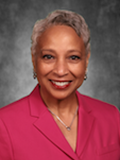
Brigit Carter, PhD, RN, CCRN, FAAN
Chief Access and Engagement Officer
American Association of Colleges of Nursing
Dr. Brigit Carter, Chief Access and Engagement Officer, joined American Association of Colleges in Nursing (AACN) February 2023. She is Professor Emerita at the Duke University School of Nursing where she served as the Associate Dean for Diversity and Inclusion from 2018-2023. From 2015-2018 she served as the Director of the DUSON Accelerated Bachelor of Science in Nursing (ABSN) program.
Brigit earned her BSN at North Carolina Central University (NCCU) in 1998, a Master of Science in Nursing Education from University of North Carolina at Greensboro in 2002 and PhD in Nursing from University of North Carolina at Chapel Hill in 2009. Her current educational research is focused on understanding experiences of students with microaggressions and development of strategies to mitigate the impact of microaggressions. She also has a focus on strategies to increase historically marginalized students in nursing and understand individual level social determinants that are barriers to achieving nursing education.
Brigit is a Fellow in the American Academy of Nursing, an Atlantic Fellow for Health Equity, and a Duke Teaching for Equity fellow. She retired from the U. S. Navy as a Commander after 28 years of service in January 2018.
Tags
Removing Admissions Barriers for Nurses with Disabilities: Addressing Technical Standards
July 19, 2023
2:00 PM - 3:00 PM (ET)
Webinar Details
This webinar identifies the key barriers for students with disabilities entering nursing, including outdated technical standards, and ableist belief systems that impact the admissions and educational process.
This webinar is hosted by Josiah Macy Jr. Foundation, Docs with Disabilities Initiative, American Association of Colleges of Nursing, and Johns Hopkins University Disability Health Research Center as is part of a three-part series focused on exploring barriers to inclusion for nurses with disabilities.
Below, you will find the recording for each installment in the series as well as additional resources.
Word Document Outline including Alt Text
Additional Resources:
- Resource Toolkit
- Clinical Accomodations and Simulation (Christopher J. Moreland, Maureen Fausone, James Cooke, Christopher McCulloh, Maureen Hillier, Grace C. Clifford, and Lisa M. Meeks)
- White Paper on Inclusion of Students with Disabilities in Nursing Educational Programs for the California Committee on Employment of People with Disabilities (CCEPD) (Beth Marks, Sarah Ailey)
- Technical Standards (Michael M. McKee, Steven Gay, Sarah Ailey, and Lisa M. Meeks)
Speakers
Speakers
Holly J. Humphrey, MD, MACP
President
Josiah Macy Jr. Foundation
Holly J. Humphrey, MD, MACP, is the eighth president of Josiah Macy Jr. Foundation. Immediately prior to her appointment, she served for 15 years as the Ralph W. Gerard Professor in Medicine and Dean for Medical Education at The University of Chicago.
In 1989, Dr. Humphrey and a colleague delivered the country’s first White Coat Ceremony address at The University of Chicago. The Gold Foundation later adopted and formalized this ceremony and today supports similar events in medical and nursing schools across the country. During her tenure as Dean for Medical Education, her signature programs focused on equity, diversity and inclusion, mentoring, and professionalism. She led efforts to increase diversity and belonging by developing pathway programs and co-founding the Bowman Society, which explores issues of health disparity and provides mentoring for those underrepresented in medicine. She was the founding dean of the school’s Identity and Inclusion Committee, which advances civil discourse in the medical school. She is also the founding dean of the Academy of Distinguished Medical Educators and of the MERITS Fellowship program for faculty pursuing research, innovation, teaching, and scholarship in medical education.
She is Chair of the Kaiser Permanente Bernard J. Tyson School of Medicine’s Board of Directors. She is Chair Emeritus of American Board of Internal Medicine and of the American Board of Internal Medicine Foundation and a past President of the Association of Program Directors in Internal Medicine (APDIM).
Dr. Humphrey earned her MD degree with honors from The University of Chicago. Following an internal medicine residency, pulmonary and critical care fellowship, and Chief Residency all at The University of Chicago, she served a 14-year tenure as Director of the Internal Medicine Residency Program, which provided the foundation for her career in medical education. She is an elected member of the National Academy of Medicine. Crain’s Chicago Business featured her as one of their “Women to Watch,” and the NorthShore University Health System created the Holly J . Humphrey Medical Education Fund with a one-million-dollar gift to The University of Chicago in recognition of her leadership in medical education. The Association of Program Directors in Internal Medicine honored her with the Dema C. Daley Founders Award for national excellence as an educator, innovator, and leader. Graduating medical students at The University of Chicago honored Dr. Humphrey five times with the Gender Equity Award and more than 25 times with the Favorite Faculty Teaching Award.

Cassandra Godzik, PhD, MS
Director of Nursing Education
American Association of Colleges of Nursing
Cassandra Godzik is a practicing psychiatric mental health nurse practitioner (PMHNP) and postdoctoral research fellow in the Departments of Psychiatry and Community and Family Medicine at Dartmouth-Hitchcock Medical Center (DHMC), Centers for Aging at Dartmouth, and Geisel School of Medicine at Dartmouth.
Godzik’s nursing journey began in high school when she worked as a nursing assistant in a memory care unit and older adult assisted living facility. During her undergraduate (University of Vermont) and master’s degrees (Regis College), Godzik engaged in research that focused on populations with mental health disorders, while simultaneously working as a psychiatric nurse. All these research and clinical experiences compelled her to earn a doctorate degree in nursing from the University of Massachusetts Medical School, where she graduated in 2020. Throughout her doctoral work, she focused on sleep medicine and mental health symptoms and conducted a trial of an online cognitive behavioral therapy for insomnia (CBT-I) program.
Godzik’s nursing journey began in high school when she worked as a nursing assistant in a memory care unit and older adult assisted living facility. During her undergraduate (University of Vermont) and master’s degrees (Regis College), Godzik engaged in research that focused on populations with mental health disorders, while simultaneously working as a psychiatric nurse. All these research and clinical experiences compelled her to earn a doctorate degree in nursing from the University of Massachusetts Medical School, where she graduated in 2020. Throughout her doctoral
work, she focused on sleep medicine and mental health symptoms and conducted a trial of an online cognitive behavioral therapy for insomnia (CBT-I) program.