Redesigning the Broken U.S. Health System: The Nursing Profession’s Role in Ending Unequal Treatment
May 14, 2025
3:00 PM - 4:00 PM (ET)
Webinar Details
In June 2024, the National Academies of Sciences, Engineering, and Medicine (NASEM) released Ending Unequal Treatment: Strategies to Achieve Equitable Health Care and Optimal Health for All—a follow-up to the original Unequal Treatment report from 2003. Ending Unequal Treatment offers a comprehensive, deeply researched, evidence-based review of health and health inequities within the US healthcare system. The report explores the barriers that continue to undermine efforts to achieve more equitable healthcare, including behavioral health, and presents recommendations for future actions that would achieve a more effective and sustained approach to addressing the problem, with implications for the nursing profession. This presentation will provide an overview of the Ending Unequal Treatment report and highlight what the findings mean for nurses and other health professionals, including their role in eliminating health and healthcare inequities.
Objectives:
- Review and summarize the current state of healthcare and health inequities in the U.S., the evolving political moment, and the role of nurses and other healthcare professionals in responding to these uncertain times.
- Identify enduring, fundamental truths for the nursing profession that can guide efforts to eliminate health inequities.
- Integrate social and clinical care principles with key strategies to advance an interdisciplinary health workforce, policy advocacy, and systems change to end unequal treatment.
This Webinar is hosted by Jonas Nursing.

Speakers
Speaker
 Vincent Guilamo-Ramos, PhD, MSN, MPH, MS, MSW, BS, RN, ANP-BC, LCSW, PMHNP-BC, FAAN
Executive Director
Institute for Policy Solutions
Leona B. Carpenter Chair in Health Equity and Social Determinants of Health Professor
Johns Hopkins University School of Nursing
Dr. Vincent Guilamo-Ramos is the Executive Director of the Institute for Policy Solutions and the Leona B. Carpenter Chair in Health Equity and Social Determinants of Health (SDOH) at the Johns Hopkins School of Nursing. He is also the founding director of the Center for Latino Adolescent and Family Health (CLAFH). Dr. Guilamo-Ramos is a nurse practitioner, dually licensed in adult health and psychiatric-mental health nursing.
Widely regarded as a scholar and leader in SDOH and in developing, evaluating, and translating nurse-driven, community-based interventions, his research has been funded for two decades by NIH, CDC, and various federal agencies. His work has been published in leading scientific journals, including The New England Journal of Medicine, The Lancet, The British Medical Journal, Nature Medicine, Clinical Infectious Diseases, and the American Journal of Public Health.
Dr. Guilamo-Ramos has served as a member of the ad hoc NASEM Committee on Unequal Treatment Revisited: The Current State of Racial and Ethnic Disparities in Healthcare; the NASEM Standing Committee on Reproductive Health, Equity, and Society; and the board of UnidosUS, the nation’s largest Latino-focused civil rights organization. He also serves on the Latino Commission on AIDS Board of Directors as vice chair and as the chair of the board of directors for Power to Decide.
Tags
Redesigning the Broken U.S. Health System: The Nursing Profession’s Role in Ending Unequal Treatment
May 14, 2025
3:00 PM - 4:00 PM (ET)
Webinar Details
In June 2024, the National Academies of Sciences, Engineering, and Medicine (NASEM) released Ending Unequal Treatment: Strategies to Achieve Equitable Health Care and Optimal Health for All—a follow-up to the original Unequal Treatment report from 2003. Ending Unequal Treatment offers a comprehensive, deeply researched, evidence-based review of health and health inequities within the US healthcare system. The report explores the barriers that continue to undermine efforts to achieve more equitable healthcare, including behavioral health, and presents recommendations for future actions that would achieve a more effective and sustained approach to addressing the problem, with implications for the nursing profession. This presentation will provide an overview of the Ending Unequal Treatment report and highlight what the findings mean for nurses and other health professionals, including their role in eliminating health and healthcare inequities.
Objectives:
- Review and summarize the current state of healthcare and health inequities in the U.S., the evolving political moment, and the role of nurses and other healthcare professionals in responding to these uncertain times.
- Identify enduring, fundamental truths for the nursing profession that can guide efforts to eliminate health inequities.
- Integrate social and clinical care principles with key strategies to advance an interdisciplinary health workforce, policy advocacy, and systems change to end unequal treatment.
This Webinar is hosted by Jonas Nursing.
Speakers
Speaker
Vincent Guilamo-Ramos, PhD, MSN, MPH, MS, MSW, BS, RN, ANP-BC, LCSW, PMHNP-BC, FAAN
Executive Director
Institute for Policy Solutions
Leona B. Carpenter Chair in Health Equity and Social Determinants of Health Professor
Johns Hopkins University School of Nursing
Dr. Vincent Guilamo-Ramos is the Executive Director of the Institute for Policy Solutions and the Leona B. Carpenter Chair in Health Equity and Social Determinants of Health (SDOH) at the Johns Hopkins School of Nursing. He is also the founding director of the Center for Latino Adolescent and Family Health (CLAFH). Dr. Guilamo-Ramos is a nurse practitioner, dually licensed in adult health and psychiatric-mental health nursing.
Widely regarded as a scholar and leader in SDOH and in developing, evaluating, and translating nurse-driven, community-based interventions, his research has been funded for two decades by NIH, CDC, and various federal agencies. His work has been published in leading scientific journals, including The New England Journal of Medicine, The Lancet, The British Medical Journal, Nature Medicine, Clinical Infectious Diseases, and the American Journal of Public Health.
Dr. Guilamo-Ramos has served as a member of the ad hoc NASEM Committee on Unequal Treatment Revisited: The Current State of Racial and Ethnic Disparities in Healthcare; the NASEM Standing Committee on Reproductive Health, Equity, and Society; and the board of UnidosUS, the nation’s largest Latino-focused civil rights organization. He also serves on the Latino Commission on AIDS Board of Directors as vice chair and as the chair of the board of directors for Power to Decide.
Tags
Redesigning the Broken U.S. Health System: The Nursing Profession’s Role in Ending Unequal Treatment
May 14, 2025
3:00 PM - 4:00 PM (ET)
Webinar Details
In June 2024, the National Academies of Sciences, Engineering, and Medicine (NASEM) released Ending Unequal Treatment: Strategies to Achieve Equitable Health Care and Optimal Health for All—a follow-up to the original Unequal Treatment report from 2003. Ending Unequal Treatment offers a comprehensive, deeply researched, evidence-based review of health and health inequities within the US healthcare system. The report explores the barriers that continue to undermine efforts to achieve more equitable healthcare, including behavioral health, and presents recommendations for future actions that would achieve a more effective and sustained approach to addressing the problem, with implications for the nursing profession. This presentation will provide an overview of the Ending Unequal Treatment report and highlight what the findings mean for nurses and other health professionals, including their role in eliminating health and healthcare inequities.
Objectives:
- Review and summarize the current state of healthcare and health inequities in the U.S., the evolving political moment, and the role of nurses and other healthcare professionals in responding to these uncertain times.
- Identify enduring, fundamental truths for the nursing profession that can guide efforts to eliminate health inequities.
- Integrate social and clinical care principles with key strategies to advance an interdisciplinary health workforce, policy advocacy, and systems change to end unequal treatment.
This Webinar is hosted by Jonas Nursing.
Speakers
Speaker
Vincent Guilamo-Ramos, PhD, MSN, MPH, MS, MSW, BS, RN, ANP-BC, LCSW, PMHNP-BC, FAAN
Executive Director
Institute for Policy Solutions
Leona B. Carpenter Chair in Health Equity and Social Determinants of Health Professor
Johns Hopkins University School of Nursing
Dr. Vincent Guilamo-Ramos is the Executive Director of the Institute for Policy Solutions and the Leona B. Carpenter Chair in Health Equity and Social Determinants of Health (SDOH) at the Johns Hopkins School of Nursing. He is also the founding director of the Center for Latino Adolescent and Family Health (CLAFH). Dr. Guilamo-Ramos is a nurse practitioner, dually licensed in adult health and psychiatric-mental health nursing.
Widely regarded as a scholar and leader in SDOH and in developing, evaluating, and translating nurse-driven, community-based interventions, his research has been funded for two decades by NIH, CDC, and various federal agencies. His work has been published in leading scientific journals, including The New England Journal of Medicine, The Lancet, The British Medical Journal, Nature Medicine, Clinical Infectious Diseases, and the American Journal of Public Health.
Dr. Guilamo-Ramos has served as a member of the ad hoc NASEM Committee on Unequal Treatment Revisited: The Current State of Racial and Ethnic Disparities in Healthcare; the NASEM Standing Committee on Reproductive Health, Equity, and Society; and the board of UnidosUS, the nation’s largest Latino-focused civil rights organization. He also serves on the Latino Commission on AIDS Board of Directors as vice chair and as the chair of the board of directors for Power to Decide.
Tags
Unifying Caring Science and the AACN Essentials
October 02, 2024
2:00 PM - 3:00 PM (ET)
Webinar Details
This webinar aims to inform nursing education by offering an expanded perspective on the AACN Essentials through the integrative lens of Caring Science and the ANA Definition of Nursing. Building on Watson's seminal work in Caring Science and Human Caring Theory, this webinar will demonstrate how the 10 Caritas Processes® serve as a discipline-specific nursing paradigm that incorporates and transcends competencies.
Caring Science provides an ethical, humanistic, and heart-centered educational guide for the future of nursing. The webinar will include exemplars of academic-practice partnerships in Caring Science, that unify, redefine, and advance both nursing education and practice. It will demonstrate how this approach revolutionizes nursing curricula, creating a more holistic and compassionate foundation for the discipline. Furthermore, the presentation will champion a visionary partnership model between healthcare establishments and academic institutions, integrating the AACN Essentials within the broader context of Caring Science and the nursing discipline. This integration aims to elevate the standards of nursing education, preparing a new generation of nurses equipped with competence grounded in the discipline, and providing a deeper understanding of the caring, healing, and compassionate aspects of the profession.
Objectives:
- Critique the Caring Science Nursing paradigm in relation to Medical Science and the ANA's definition of Nursing, highlighting key differences and connections.
- Discover the integration of AACN Essentials and Caring Science in nursing education, examining their roles in curriculum development, and identifying common educational strategies across nursing schools.
- Explore practical applications of Caring Science and the 10 Caritas Processes® in healthcare institutions and nursing education, including their alignment with AACN Essentials
Note: Recording of the webinar will be available soon after the webinar airs. Visit AACN's On-Demand Webinars to watch .
Speakers
Speakers
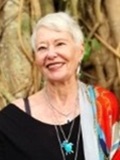
Jean Watson, PhD, RN, AHN-BC, FAAN, LL
Founder –Director
Watson Caring Science Institute
Dr. Jean Watson is known around the world for her Theory of Human Caring and advancement of Caring Science as disciplinary context for Nursing’s future. She is the Founder of the Non-profit, Watson Caring Science Institute and Distinguished Professor Dean Emerita University of Colorado Denver. She is the author, co-author, or editor of over 30 books on Caring Science and Unitary Caring. Her latest book is titled Metaphysics of Unitary Caring Science. A Cosmology of Love, (2025 pub. by Springer). Her work is used globally, promoting academic and clinical partnerships toward theory-guided caring science curriculum and professional Caritas Practice, Research, and Leadership. Watson is the recipient of numerous national and international awards and honors including 15 Honorary Doctorates; she is designated as a Living Legend by the American Academy of Nursing, its highest honor. View full bio.

Sara Horton-Deutsch, PhD, RN, FAAN, ANEF, SGAHN
University of San Francisco
Director of USF/Kaiser Permanente Partnership and Faculty Associate
Watson Caring Science Institute
Dr. Sarah Horton-Deutsch has led in academic and practice settings for over 30 years as an advanced practice psychiatric/mental health nurse, teacher/practitioner, consultant, program director, caring science endowed chair, coach, and academic/practice partnership director. In 2022, she was inducted into the Global American Holistic Nursing. She has contributed to evidence-informed knowledge development throughout her academic and practice career to ensure compassionate, safe, and quality care. As a reflective leader, she focuses on inward development to positively influence change. She has co-authored several books on Reflective Practice, Caring Science, and Caritas Coaching. She i s a Caritas Coach & Leader, Reiki Practitioner, and Healing Circle Facilitator. Through her journey, she has learned the necessity of connecting to one’s inner sources of wisdom, power, and healing, as well as the arts and humanities that once defined the discipline of nursing. She is passionate about facilitating critical, deep, and authentic connections that support regeneration, renewal, and the profession’s evolution. Her latest books, Visionary Leadership in Healthcare (2022) and Reflective Practice: Reimagining Ourselves, Reimagining Nursing (2024), were published through SIGMA, the former winning an AJN 1st place book of the year award in Leadership. She is currently a champion for the ANCC Essentials within the USF School of Nursing and Health Professions. She is co-director of the Caritas Leadership Program for the Watson Caring Science Institute.

Danny G. Willis, DNS, RN, PMHCNS-BC, FAAN
Dean and Professor
University of Rhode Island College of Nursing
Dr. Danny G. Willis serves as Dean of the University of Rhode Island College of Nursing. He Caritas® Leader Faculty. In his 20-year academic career, he has served as Dean at Saint Louis University Valentine School of Nursing, Associate Dean for Academic Affairs at the University of Wisconsin-Madison School of Nursing, and Department Chair at Boston College, Connell School of Nursing. He is a Fellow of the American Academy of Nursing and has chaired the Expert Panel on Theory-Guided Practice and is a member of the Expert Panel on Violence. His program of research and scholarship primarily focuses on wellbeing and healing in the aftermath of traumatic experiences. His work has been recognized with many awards, including the Eastern Nursing Research Society "Rising Star" Award, American Psychiatric Nurses Association Nancy Valentine "Leadership" Award, and R-level research funding as Principal Investigator from the National Institutes of Health (NIH). He has mentored undergraduate, masters, and PhD students from nursing, social work, child and human development, and counseling psychology. Dr. Willis has published widely in nursing and other health- related journals on qualitative research methods, foundations of the discipline, child maltreatment, the aftermath of hate crime, school children being bullied, child witness to violence, mental health, sleep, and healing. He has served as chair of the American Psychiatric Nursing Association (APNA) Research Council and currently co-chairs the Eastern Nursing Research Society (ENRS) Qualitative Research Interest Group. His publication explicating a central unifying focus for the discipline of nursing ‘facilitating humanization, meaning, choice, quality of life, and healing in living and dying,” published in Advances in Nursing Science, garnered national and international recognition for its relevance to nursing. Dr. Willis enthusiastically shares his work nationally and internationally with invited papers and presentations in the United States, Chile, Colombia, Ireland, England, Portugal, and Japan.
Tags
Jonas Scholars 2024-2026 Application Technical Assistance Webinar
April 30, 2024
12:00 PM - 1:00 PM (ET)
Webinar Overview
The Jonas Scholars program has launched applications for the 2024-2026 cohort, with plans to enhance the program with a greater focus on students who are going to transition to faculty roles. Through leadership development programming, mentorship, and financial support, Jonas Scholars will be positioned to successfully transition from a doctoral student to a teaching role. Participants will learn more about the eligibility and selection process for institutions and scholars, understand the internal processes they should conduct to select students for submission, and understand the technical steps required to submit an application.
Objectives
- Understand the eligibility and selection criteria for both institutions and students for the eighth cohort of the Jonas Scholars program.
- Evaluate a scholar selection process to help but forward students most aligned with the goals of the Jonas Scholars program.
- Identify how to submit an application to the Jonas Scholars program through the application platform.
 This Webinar is hosted by Jonas Nursing of Jonas Philanthropies. For more information on the Jonas Philanthropies, visit http://jonasphilanthropies.org/.
Speakers
Speakers
Noah Brown, MPA
Jonas Grant Manager
American Association of Colleges of Nursing
Marta Okoniewski, MPA
Director of Student Engagement
American Association of Colleges of Nursing